
Al Mezan Center for Human Rights strongly condemns, in the harshest terms, the continued systematic crimes committed by the Israeli occupation forces within the context of the ongoing genocidal war against the Gaza Strip, and the Israeli escalation against civilians through the direct aerial bombardment of homes, tents, and civilian gatherings. This has resulted in the death toll rising to 850 killed and 2,433 injured since the signing of the ceasefire agreement in Sharm El-Sheikh and its entry into force on 11/10/2025.
At the same time, the occupation forces are pushing humanitarian conditions toward unprecedented catastrophic levels, especially in the healthcare sector, through the continuation of the blockade, the systematic destruction of infrastructure, and depriving the population of the most basic necessities of life and healthcare. This has led to the dangerous spread of insects, rodents, and health hazards within displacement areas and population gatherings, amid the absence of water, hygiene supplies, and essential services, threatening civilians with an escalating humanitarian and health catastrophe unless urgent and immediate intervention takes place.
The occupation forces also continue to impose restrictions on the entry of medicines, medical supplies, and laboratory testing materials, with 47% of essential medicines completely out of stock, 59% of medical consumables unavailable, and 87% of laboratory testing materials depleted. Cancer treatment services, blood disease services, primary healthcare, kidney services and dialysis, and psychiatric medications are among the most severely affected services due to the crisis, in addition to medical consumables required for eye surgeries, cardiac catheterization, kidney dialysis, and laboratory materials necessary for CBC tests, blood gas analysis, clinical chemistry, and laboratory consumables.
Thalassemia patients are suffering due to the shortage of specialized medications, scarcity of laboratory testing materials and blood transfusions, and the severe lack of blood units. The number of registered thalassemia patients has reached 334 patients, of whom 50 have died and 47 have left the Gaza Strip. Among the patients are 52 children under the age of 12 and 185 above the age of 12.
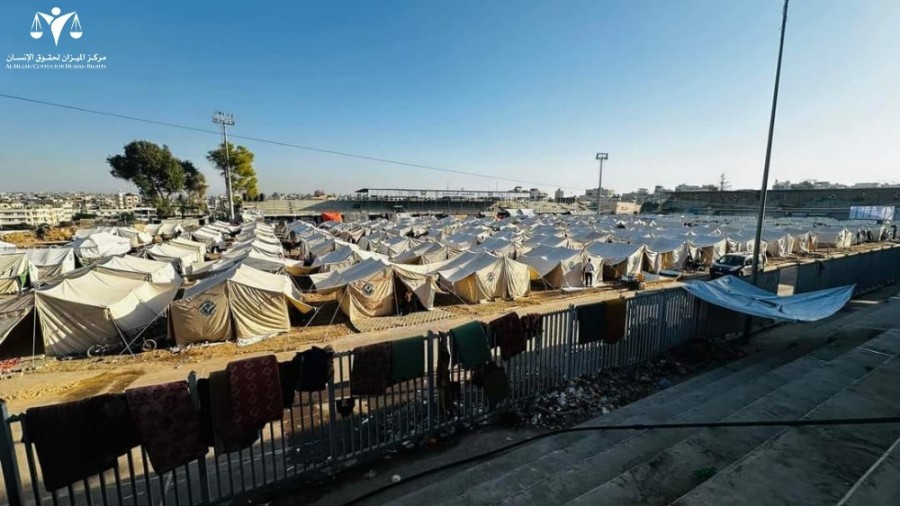
Displaced people in the Gaza Strip are facing severe deterioration in environmental and health conditions inside overcrowded displacement camps due to the accumulation of waste nearby, the lack of clean drinking water and water for personal use, and the absence of infrastructure and sewage networks. This has created a fertile environment for the spread of rodents and insects within displacement camps and residential areas, contributing to the spread of pests and diseases and posing a real danger to the lives of all residents. The United Nations announced that there are more than 17,000 cases linked to rodents or external parasites among displaced people in Gaza, and more than 80% of displacement sites reported skin diseases such as scabies, lice, and bedbugs, which is considered “an unfortunate but expected result when people live in a collapsed living environment.”
The spread of pests, insects, and rodents further increases the outbreak of dangerous infectious diseases, including acute diarrhea, cholera, typhoid fever, skin diseases such as scabies and various infections, in addition to vector-borne diseases such as leishmaniasis and dengue fever, as well as respiratory diseases, food poisoning, and meningitis.
UNRWA, for its part, warned of the spread of rodents and other pests, noting that overcrowding in shelters, the disruption of waste management services, and restrictions on the entry of pesticides, equipment, and fuel are all factors accelerating health risks, especially in displacement sites, while the threat of infectious disease outbreaks continues to rise.
The Ministry of Health confirmed that children, the elderly, and vulnerable groups, including pregnant women and patients with chronic diseases, are the most exposed to infection and complications, while the healthcare system suffers from severe paralysis due to the destruction of facilities and laboratories, in addition to the acute shortage of water, overcrowding, lack of hygiene supplies, and the prevention of pest-control materials from entering Gaza.
In the same context, residents in the Gaza Strip are facing a severe water crisis. Gaza Municipality stated that available water quantities do not exceed 25% of citizens’ daily needs due to the destruction of desalination plants, water distribution networks, and water wells, in addition to restrictions on fuel entry affecting water pumping operations, making access to sufficient and clean water nearly impossible.
Northern Gaza is facing an almost complete water outage, and residents in Jabalia rely on limited water transport carts, which will further worsen the deteriorating health conditions and pose a real danger to civilians’ lives.
Al Mezan Center for Human Rights strongly condemns the ongoing Israeli crimes, the targeting of homes, tents, and civilian gatherings, and the deliberate worsening of humanitarian and health conditions as a form of collective punishment and as one aspect of the ongoing genocide. The Center warns that the continued silence of the international community and the failure to urgently intervene to stop this unprecedented health catastrophe will come at the expense of the lives of tens of thousands of innocent civilians.
Accordingly, the Center calls on the international community to take effective action and pressure the occupation forces to stop the crime of genocide, allow the entry of humanitarian aid, fuel, medical equipment, and pest-control materials, including pesticides and rodent-control supplies, provide personal hygiene necessities and health supplies for displaced people, ensure access to clean water, and support emergency interventions for solid waste removal and sewage management.


