
Press Release
The Palestinian NGOs Network has followed the statement issued by the National Committee for the Administration of Gaza (NCAG) regarding the coordination meeting that brought together the Committee with a number of United Nations bodies and organizations operating in the Gaza Strip, to discuss the early recovery strategy, prioritize interventions, and establish mechanisms for joint action in the upcoming phase.
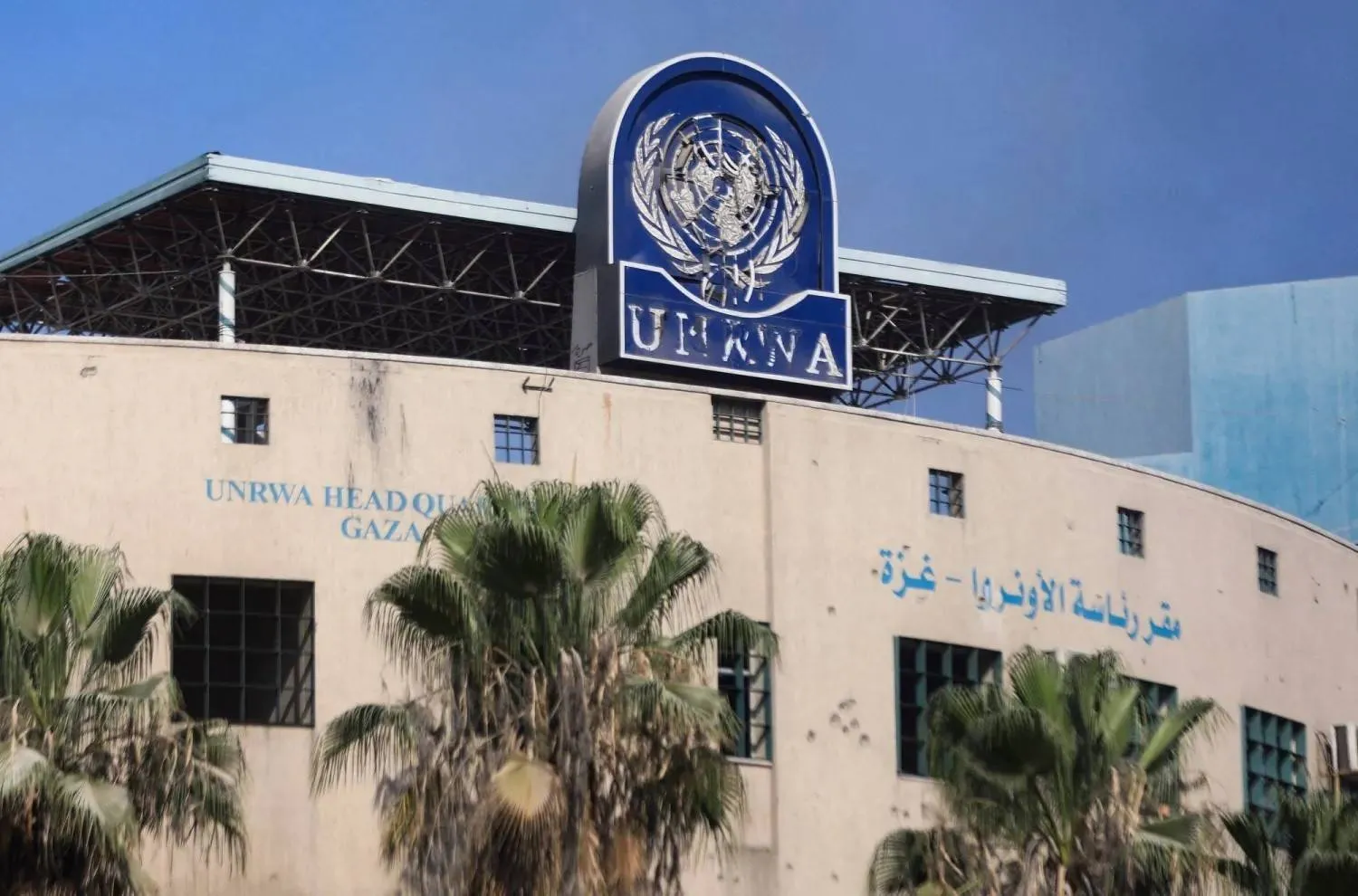
While PNGO affirms the importance of enhancing coordination and unifying humanitarian and developmental efforts in a manner that serves the residents of the Gaza Strip, it expresses its profound surprise and strong disapproval at the non-participation of the United Nations Relief and Works Agency for Palestine Refugees (UNRWA) in this meeting, despite its pivotal and historic role in providing essential services to Palestinian refugees, its operational presence, its capacity, and its extensive network of facilities and personnel in the Gaza Strip.
The Network believes that any discussion related to early recovery, reconstruction, or the provision of humanitarian services in the Gaza Strip cannot be comprehensive or effective without the participation of all relevant key humanitarian actors, foremost among them UNRWA, alongside Palestinian civil society organizations and representatives of the local community.
PNGO affirms that UNRWA is not merely a relief agency whose role can be bypassed in recovery arrangements, but rather represents a fundamental institutional and humanitarian structure possessing cumulative expertise, an extensive network of facilities, personnel, and community relations, in addition to its role in education, health, relief, protection, and social services. The United Nations has recently confirmed that UNRWA remains one of the largest humanitarian entities capable of delivering services on a wide scale in Gaza.
PNGO believes that the future of humanitarian services in Gaza should not be built on excluding or marginalizing any key humanitarian institution, but rather on integration among the various components of the response system, ensuring continuity, preventing duplication, and enhancing efficiency and access to the most vulnerable populations.
PNGO further affirms that any arrangements for managing the recovery and reconstruction phase should be based on transparency, participation, inclusiveness, and accountability, and that civil society organizations should be genuine partners in planning and decision-making, not merely implementers of programs determined from outside the community.
PNGO emphasizes that the primary reference for any humanitarian intervention or early recovery must be humanitarian needs, the rights of the population, and the principles of humanitarian action, foremost among them humanity, neutrality, independence, and non-discrimination.
Accordingly, PNGO calls for:
- The full and effective inclusion of UNRWA in all coordination mechanisms related to humanitarian response, recovery, and reconstruction in the Gaza Strip.
- Ensuring representation and participation of civil society organizations in decision-making and planning mechanisms, as genuine national partners.
- The establishment of a comprehensive and transparent coordination mechanism that includes the National Committee for the Administration of Gaza, the United Nations and its agencies, UNRWA, Palestinian civil society organizations, and relevant local parties.
- Ensuring that no decisions are taken regarding the future of humanitarian services or reconstruction without the participation of the institutions that actually deliver these services to the community.
- Ensuring that the recovery and reconstruction process is based on the needs, rights, and priorities identified by the population and Palestinian society.
PNGO affirms that unifying efforts does not mean unifying institutions or excluding some of them, but rather means building a genuine partnership that brings together all available capacities and expertise to serve the residents of the Gaza Strip.
In this context, excluding UNRWA or Palestinian civil society organizations from any track related to the future of humanitarian action and recovery in Gaza would undermine the comprehensiveness and effectiveness of this track, at a time when the sector needs the broadest possible humanitarian and community alliance, not further institutional fragmentation.
Palestinian NGOs Network
Gaza – Palestine


