
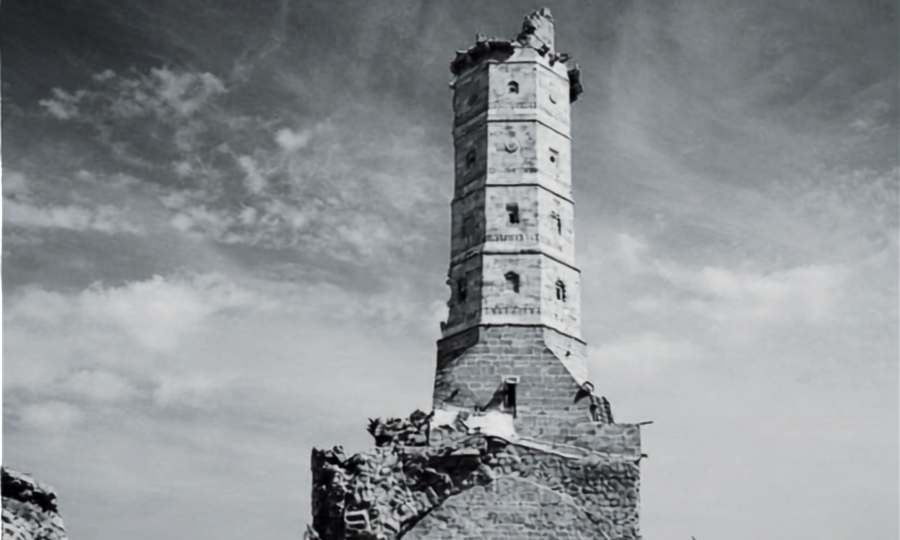
This report presents and analyses field research conducted by Al Mezan regarding damage to archaeological and historical landmarks in the Gaza Strip between 7 October 2023 and 31 December 2025. The findings are shocking: as an integral component of the ongoing genocide, during which approximately 71,000 Palestinians were killed and two million displaced, Israeli occupation forces also damaged or destroyed more than 70% of Gaza’s total documented cultural heritage.
Of approximately 316 identified sites of historical significance in the Gaza Strip, Al Mezan documented 226 cases of cultural destruction. These 226 sites were either damaged or entirely destroyed, leaving less than one third intact. They include places of worship, cemeteries, historic residences, traditional markets, archaeological sites, museums, libraries and historic educational institutions.
The report examines data obtained through field visits, interviews and review of documents, and provides a structured assessment of the scale, distribution and forms of damage, identifying patterns across different categories of sites, modes of attack and geographic areas. Various quantitative and qualitative tools are employed to monitor and analyse patterns of systematic destruction of archaeological and historical landmarks.
The scope of this report includes the entire Gaza Strip, incorporating the 63 sites situated behind the Israeli yellow line, which demarcates a new buffer zone comprising at least 60% of the Gaza Strip. However, since the recent restrictions on the entry of Palestinians to this area imposed by Israeli occupation forces, Al Mezan has not been able to access those sites in order to conclusively determine their current status; accordingly, the full extent of the destruction is likely to be even greater.
The report examines the extent to which individual incidents of cultural destruction reveal discernible patterns of conduct rather than isolated or random events, and concludes that the destruction can only be the result of a systemic and deliberate policy. Evidence for this includes the scale of the attacks on cultural heritage sites, recurring patterns in the targeting and methods of destruction, including a number of sites being subjected to repeated and escalating attacks, and the fact that sites attacked were clearly identified as cultural or religious landmarks.
Over half of the 226 sites documented had been destroyed completely, nearly 30% severely damaged and over 15% slightly damaged. Only one third remain unscathed. Nearly half (46.4%) of all the attacked sites were historical homes. Over 72% of the attacked sites are situated in the Gaza Governorate, which includes Gaza City, the oldest city in the Gaza Strip and historically its economic and cultural centre. Wanton destruction has been accompanied by the theft of artefacts – including clocks, gemstones, pieces of marble, statues, decorated stones, ancient columns and other architectural elements – by Israeli forces during incursions.
The physical destruction in Gaza takes a psychological and cultural toll on its population. Memories of the Gaza Strip as it was fade as its inhabitants become accustomed to the new landscape. Gaza has suffered severe social, educational, medical and infrastructural collapse, making cultural recovery challenging. The deaths of artists, writers, journalists and scholars further threaten Palestinian contemporary culture and identity. The cultural devastation weakens Palestinian society’s links with its past and hence its capacity to recover.
This catastrophic destruction is examined in the context of applicable international legal frameworks, including international humanitarian and human rights law. Particular reference is made to obligations regarding the protection of cultural property, the prohibition of attacks on civilian objects and the duty to prevent destruction, pillage and misappropriation. Relevant provisions of the 1954 Hague Convention, the Geneva Conventions and other applicable norms such as the UN Genocide Convention are highlighted. In particular, Article 53 of the 1st Additional Protocol to the Geneva Conventions, considered to be binding on Israel under customary international law, prohibits “any acts of hostility directed against historic monuments, works of art, or places of worship which constitute the cultural or spiritual heritage of peoples”.
Finally, the report presents a set of recommendations including: the adoption of immediate measures to ensure the protection of cultural heritage in accordance with international legal obligations; the establishment of independent, impartial and transparent mechanisms of investigation; measures to safeguard, document and preserve remaining cultural heritage sites; initiatives to support restitution, reconstruction and appropriate forms of reparation; specific international cooperation and monitoring to ensure the protection of cultural property in situations of armed conflict.


