
Al Mezan Center for Human Rights strongly condemns the continued commission of systematic crimes by the Israeli Occupying Forces (IOF) in the context of the ongoing genocide against the Gaza Strip and the escalating attacks against civilians. These attacks have resulted in the killing of more than ten Palestinians during the past 24 hours alone, bringing the total number of those killed since the signing and entry into force of the Sharm El-Sheikh ceasefire agreement on 10 November 2025 to 1,110, while 3,599 others have been injured.
At the same time, Israel continues to drive the humanitarian situation in Gaza toward unprecedented levels of catastrophe, particularly within the health sector. Through the systematic and deliberate targeting of civilian infrastructure, including health and public service facilities, the continued forcible displacement of the population, the coercion of thousands of families into overcrowded displacement camps and makeshift shelters unfit for human habitation, and the ongoing obstruction of humanitarian aid and essential medical supplies, Israel has significantly exacerbated the already dire public health crisis.
These conditions have led to the dangerous proliferation of insects, rodents, and other environmental health hazards throughout displacement sites and densely populated areas. Combined with the severe shortage of clean water, hygiene supplies, and basic services, they threaten civilians with an escalating humanitarian and public health disaster unless urgent and immediate intervention is undertaken, particularly as summer temperatures continue to rise.
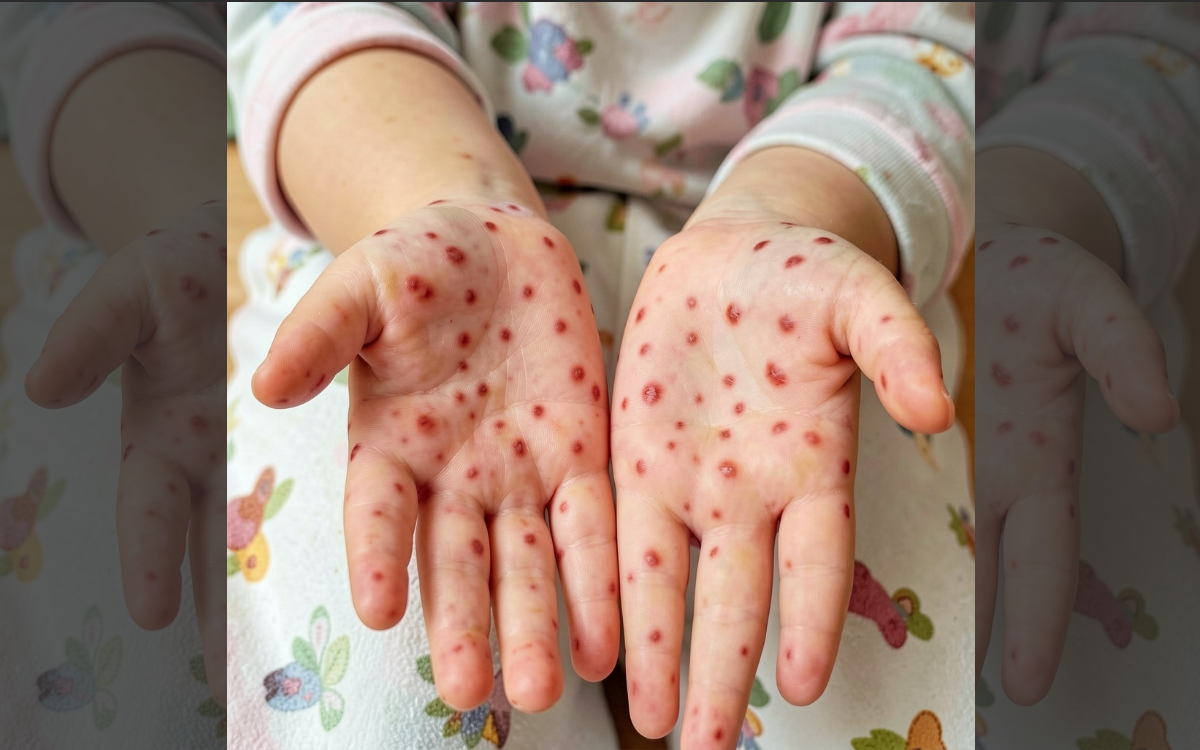
In recent weeks, the Gaza Strip has witnessed a widespread outbreak of chickenpox, a highly contagious viral disease, amid extremely deteriorating humanitarian and health conditions. Within only two weeks, more than 9,300 suspected cases were reported across 130 health facilities, with nearly half of all reported infections concentrated in Khan Younis Governorate.[1]
The sharp increase in infections is unfolding in an environment characterized by mass displacement and severe overcrowding, compounded by the continued collapse of water, sanitation and hygiene (WASH) services, soaring summer temperatures, limited access to safe drinking water, the scarcity of soap and hygiene products, and the accumulation of solid waste.
Taken together, these conditions significantly increase the likelihood of communicable disease transmission and further aggravate public health risks. The widespread presence of rodents and external parasites (reported in approximately 83 percent of displacement sites) further heightens the risk of disease outbreaks among the population. Medical professionals have also warned that the current conditions may lead to serious complications from chickenpox, including pneumonia and encephalitis, complications that were previously considered relatively rare before the collapse of Gaza's healthcare system.
Eng. Ahmad Suhail Abu Abdo, Humanitarian Project Management Consultant at Gaza Municipality, stated:
"Over the past several weeks, temperatures in the Gaza Strip have exceeded 38–40°C, while nearly one million people are living in tents that lack even basic thermal insulation, exposing them to serious health risks. The accumulation of more than 57 million tons of rubble (some of which contains hazardous materials) has further contributed to environmental degradation and the spread of rodents and insects. These conditions coincide with severe water shortages, the deterioration of sanitation services, and municipalities' inability to remove debris or provide essential public services. As a result, heatwaves have become a complex humanitarian and public health crisis, particularly for the most vulnerable groups. The situation is further aggravated by the continued restrictions preventing the entry of equipment, fuel, and spare parts needed to restore even the minimum level of essential services."
The accumulation of sewage in the streets, the mounting volumes of solid waste, stagnant water, the severe deterioration of wastewater services, and the lack of safe and adequate household water-storage containers have all created an environment conducive to the spread of infectious diseases and epidemics. Rising temperatures, prolonged electricity outages, and the absence of cooling mechanisms have further compounded these health risks. Continuous exposure to extreme heat and excessive perspiration, coupled with limited access to clean water and personal hygiene supplies, has led to increasing rates of skin diseases, including rashes, fungal and bacterial infections, while also heightening the risk of sunburn and heat-related illnesses, particularly among children, older persons, and individuals living with chronic illnesses.
N.S., the mother of six-year-old Sham, who has been displaced in Al-Mawasi, Al-Qarara area of Khan Younis for the past two years, told Al Mezan:
"My daughter developed rashes all over her body. We tried several times to treat them, but nothing worked. These skin problems become more common during the summer because of the lack of clean water and hygiene supplies. When her temperature rose, we took her to the medical point in the area, where the doctor diagnosed her with chickenpox and explained that she needed medication and special care. Later, the disease spread to her younger brother and her cousins because we all live in the same place, share the same bathroom and household items, and have no possibility of isolating her inside the tent. There is simply no separate space or alternative."
These conditions have directly contributed to the further deterioration of public health and have significantly increased demand for healthcare services at a time when medical facilities continue to suffer from acute shortages of resources, medicines, and operational capacity. This has deepened the health crisis and heightened the risk of diseases associated with environmental degradation and the collapse of public health conditions.
The crisis is further compounded by the continued restrictions imposed on the entry of equipment, machinery, and essential materials required for waste removal, the operation and maintenance of water and sewage networks, and the implementation of emergency response measures. These restrictions have severely undermined the ability of competent authorities and humanitarian organizations to mitigate environmental and public health risks and protect the civilian population.
N.H., a 29-year-old woman who is seven months pregnant and the mother of two children, stated:
"We are suffering tremendously because of the extreme heat. There is no electricity and no clean water in the camp where we are displaced. We have no fans or batteries, and throughout the day we constantly fear for our children. We leave them without clothes or wash them with cold water in an attempt to protect them from the heat and disease."
The continued prevention or restriction of the entry of supplies and equipment essential for humanitarian relief, rescue operations, and the rehabilitation of vital civilian infrastructure further undermines efforts to address environmental health hazards and delays the implementation of urgently needed interventions aimed at containing the spread of disease and improving living conditions. As a result, civilians' suffering continues to deepen, while their exposure to grave health and humanitarian risks continues to increase.
Al Mezan Center for Human Rights strongly condemns the continued crimes committed by the Israeli Occupying Forces in the context of the ongoing genocide against the Gaza Strip, and their continued actions driving Gaza toward an unprecedented public health catastrophe by preventing the entry of medicines, medical supplies, and other essential humanitarian items. These unlawful measures have further deteriorated the health conditions of the civilian population and contributed directly to the spread of infectious and potentially life-threatening diseases.
Accordingly, Al Mezan calls upon the international community to take immediate and effective action to halt the ongoing genocide against the Palestinian people in the Gaza Strip and to ensure full compliance with international humanitarian law and international human rights law.
Al Mezan further calls for:
- The immediate and unhindered entry of medicines, medical equipment, and essential health supplies into the Gaza Strip;
- The entry of pest-control materials and rodent control supplies necessary to reduce the growing environmental health risks;
- The provision of personal hygiene kits and essential sanitary supplies for internally displaced persons;
- Guaranteed access to safe and sufficient clean water for the civilian population; and
- Urgent international support for solid waste removal, sewage management, and emergency environmental health interventions to prevent the further spread of communicable diseases and protect civilian lives.


