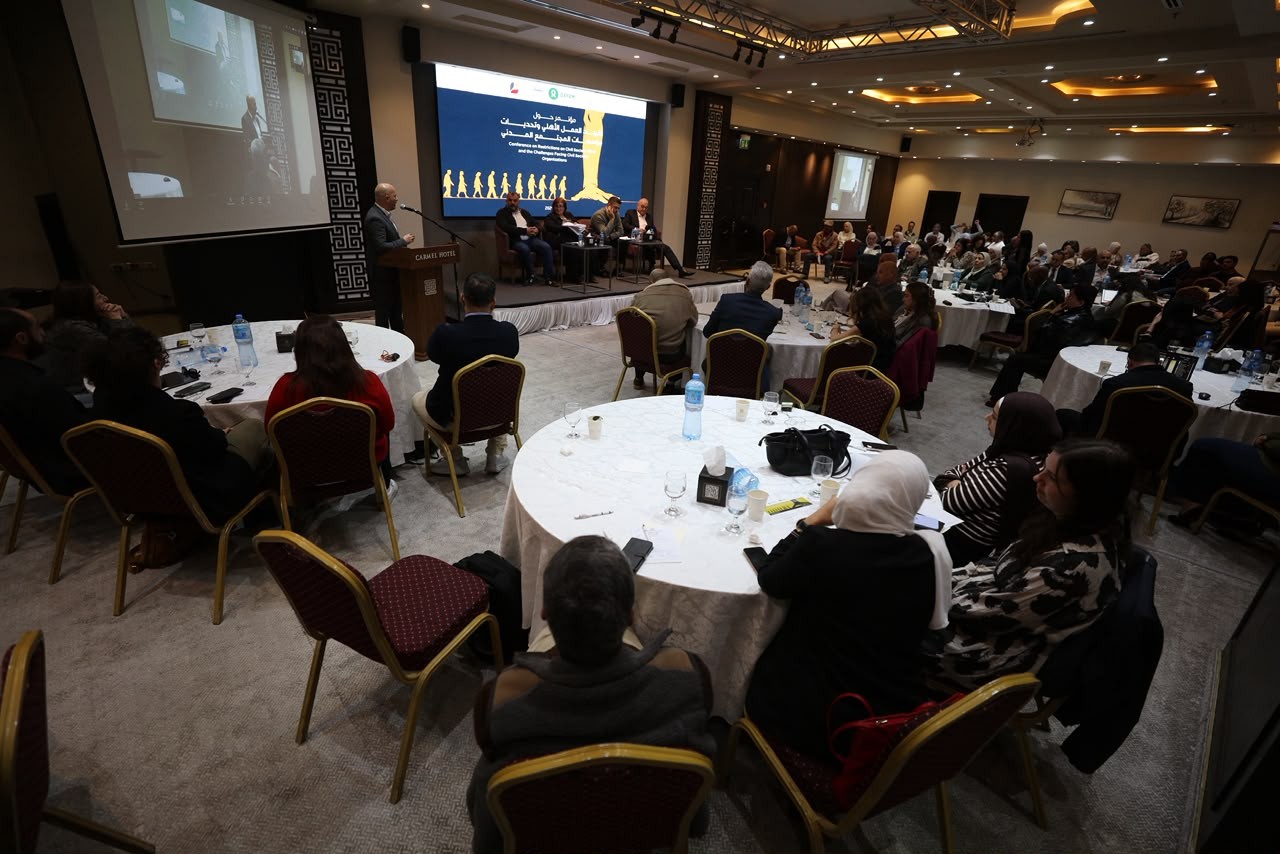
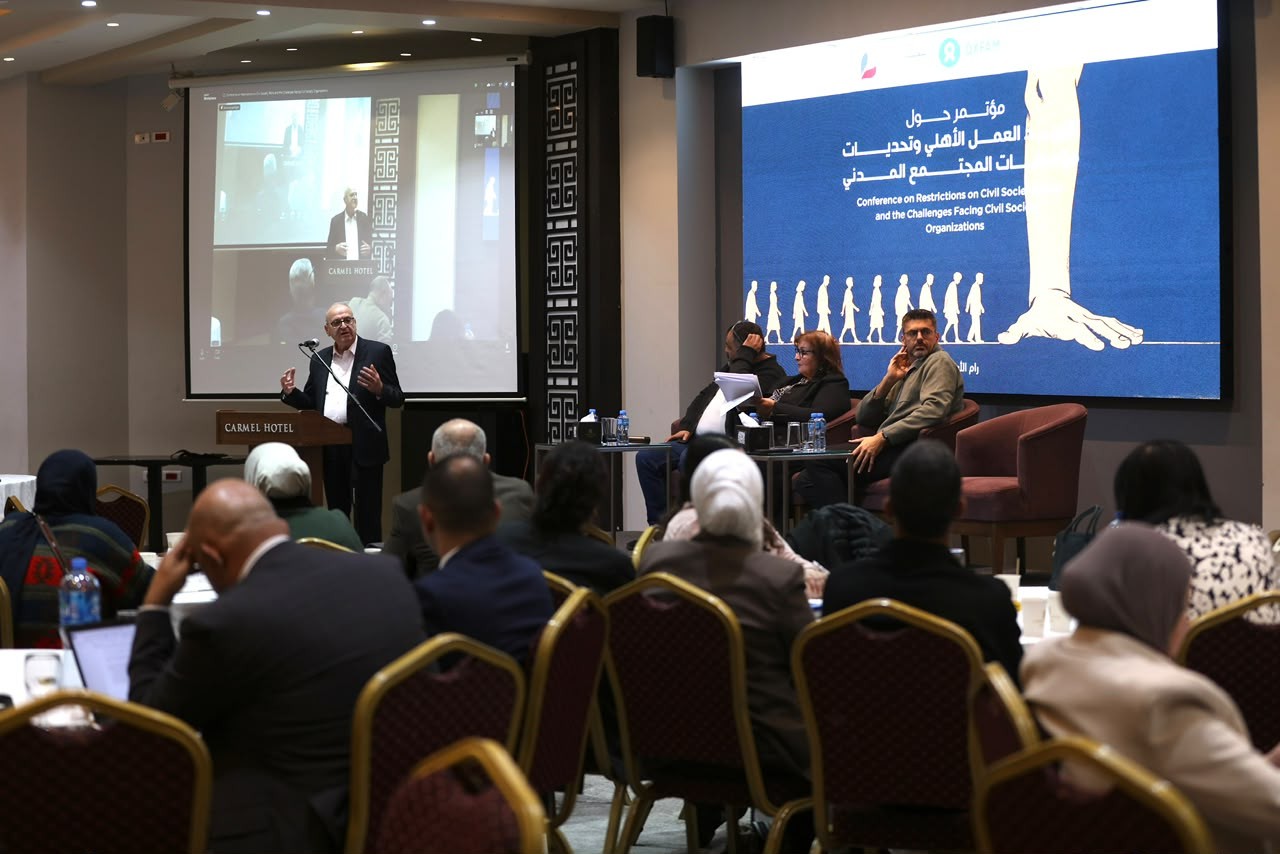
More than 140 local and international organisations joined a conference highlighting financial pressures, curbs on independent groups and threats to humanitarian and human rights work.
Monday 9 November 2026
Palestinian civil society organisations have called for a coordinated international response to growing political, legal and financial pressures that they say are threatening their independence and their ability to provide essential services.
The appeal came at a national conference convened on Monday by the Palestinian NGO Network, bringing together representatives of more than 140 Palestinian and international organisations in Ramallah, the Gaza Strip and online, alongside government officials and humanitarian and human rights groups.
Organisers said Palestinian NGOs faced restrictions on their operations, pressure on funding, obstacles involving bank accounts and money transfers, and efforts to discredit organisations and target their staff. Delegates warned that the combined pressures risked shrinking the space available for independent civil society work.
Participants called for a common advocacy strategy, with Palestinian groups coordinating their positions and messages and seeking greater international solidarity. They said protecting the right of organisations to operate freely was essential to defending Palestinian rights and sustaining humanitarian and development work.
The conference urged international partners to challenge attempts to delegitimise Palestinian organisations, including what delegates described as US designations affecting some groups and efforts to portray them as terrorist organisations. It also opposed political conditions on funding and called for an end to restrictions imposed by Israel on Palestinian NGOs, citing international humanitarian law and human rights standards.
A central theme was the relationship between Palestinian organisations and their international counterparts. Delegates argued that partnerships should be based on mutual respect and recognition of Palestinian organisations' leading role in determining the needs and priorities of the communities they serve.
They called for closer cooperation with the Association of International Development Agencies (AIDA), UN bodies and human rights networks, as well as broader international alliances to challenge Israeli settlement policies, forcible displacement and serious violations of international law.
At the domestic level, the conference called on the Palestinian government to establish a permanent forum for consultation with civil society, uphold the Palestinian Basic Law and public freedoms, and address legal, administrative and financial barriers facing NGOs.
It also pressed for closer coordination among civil society groups in the West Bank, including Jerusalem, and the Gaza Strip. Proposals included revitalising the council responsible for coordinating NGO work and developing joint initiatives to respond to community needs.
Delegates called for programmes to help Palestinian communities remain on their land, particularly in areas at risk of settlement expansion and forcible displacement, while ensuring that humanitarian and development services continue to reach people most in need.
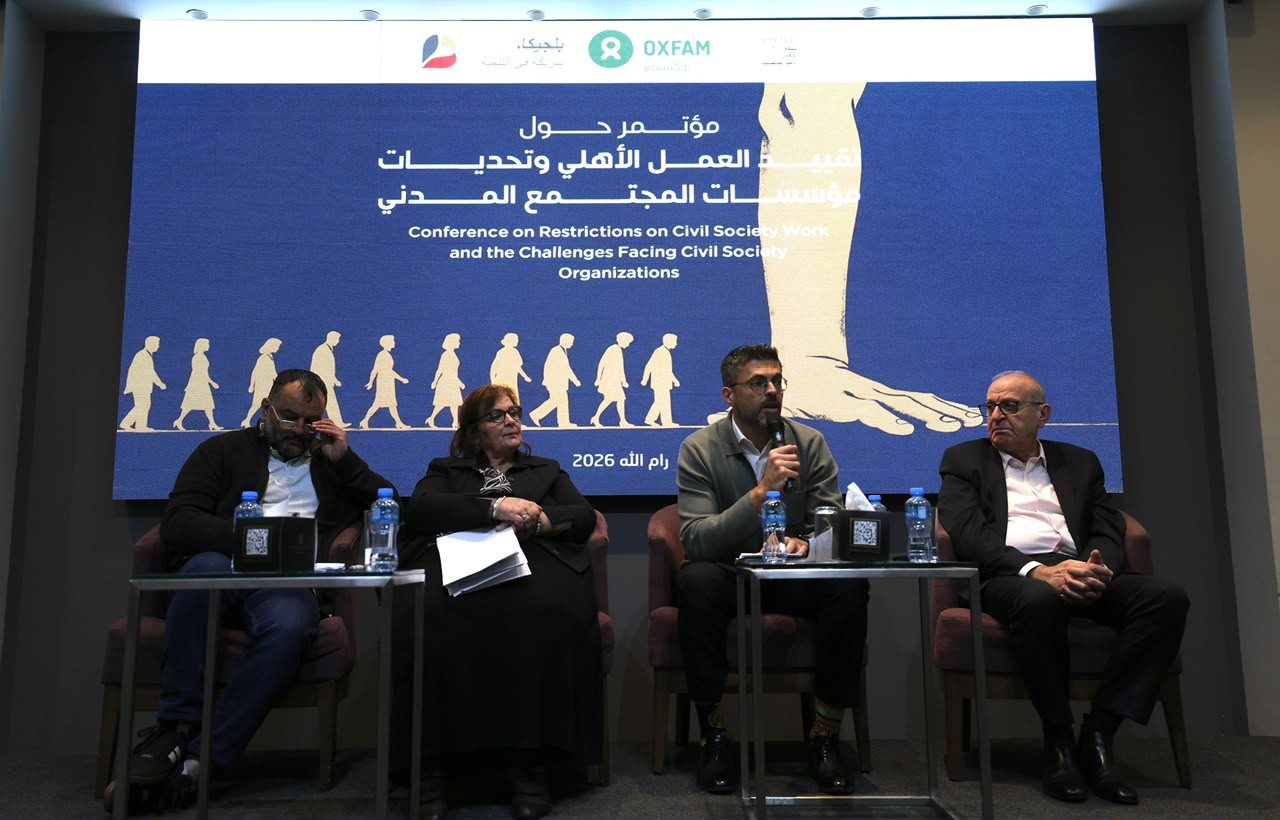
Two panel discussions examined the restrictions facing NGOs and ways to strengthen advocacy. The first featured Rami Saleh of the Jerusalem Legal Aid Centre, Taysir Muhaisen of Agricultural Relief, George Zeidan of AIDA, Jonathan Whittall of Keys Initiative and Izzat Abdulhadi, an adviser to the Palestinian prime minister. It was moderated by Amal Khreisheh, director general of the Working Woman Society for Development.
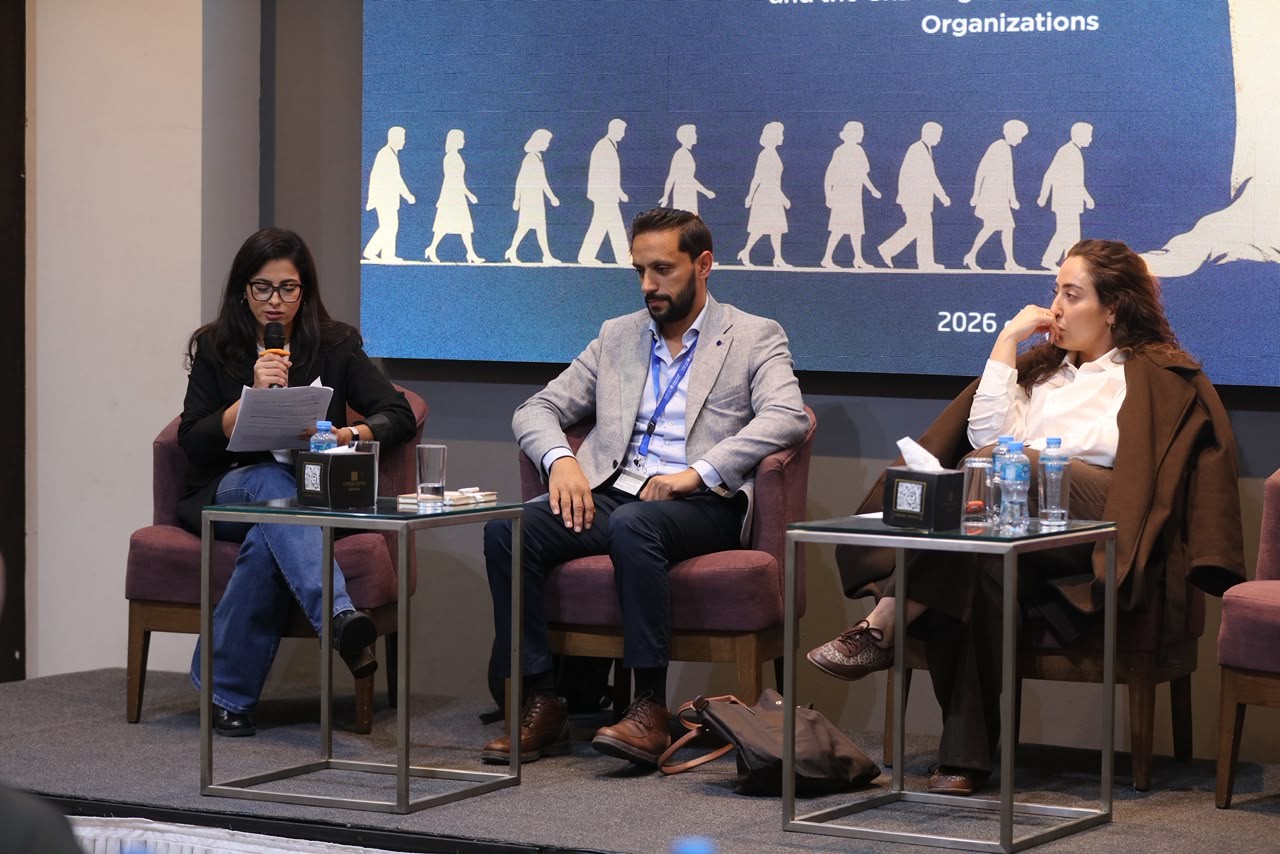
The second panel brought together Bushra Khalidi, representing the CeasefireNOW coalition; Gabriel Naumann of Oxfam; Mahmoud Hamadeh, the Palestinian NGO Network's policy, advocacy and communications advisor; and Rakan Zahda of the UN human rights office. It was moderated by Kifaya Khraim of the Women's Centre for Legal Aid and Counselling.
Opening remarks were delivered by Monjed Abu Jaish, chair of the network's coordinating committee; Laura Kugler of Belgian Development Cooperation (DGD); and Iyad Al-Araj, Oxfam's programme director. Alaa Badarna, the network's legal expert, presented the conference recommendations, while Sabrin Al-Amouri coordinated the proceedings.
The Palestinian NGO Network closed the conference by calling for its recommendations to be translated into concrete action, saying that cooperation at home and abroad would be crucial to protecting independent civil society organisations and enabling them to continue defending rights and supporting Palestinian communities.